-
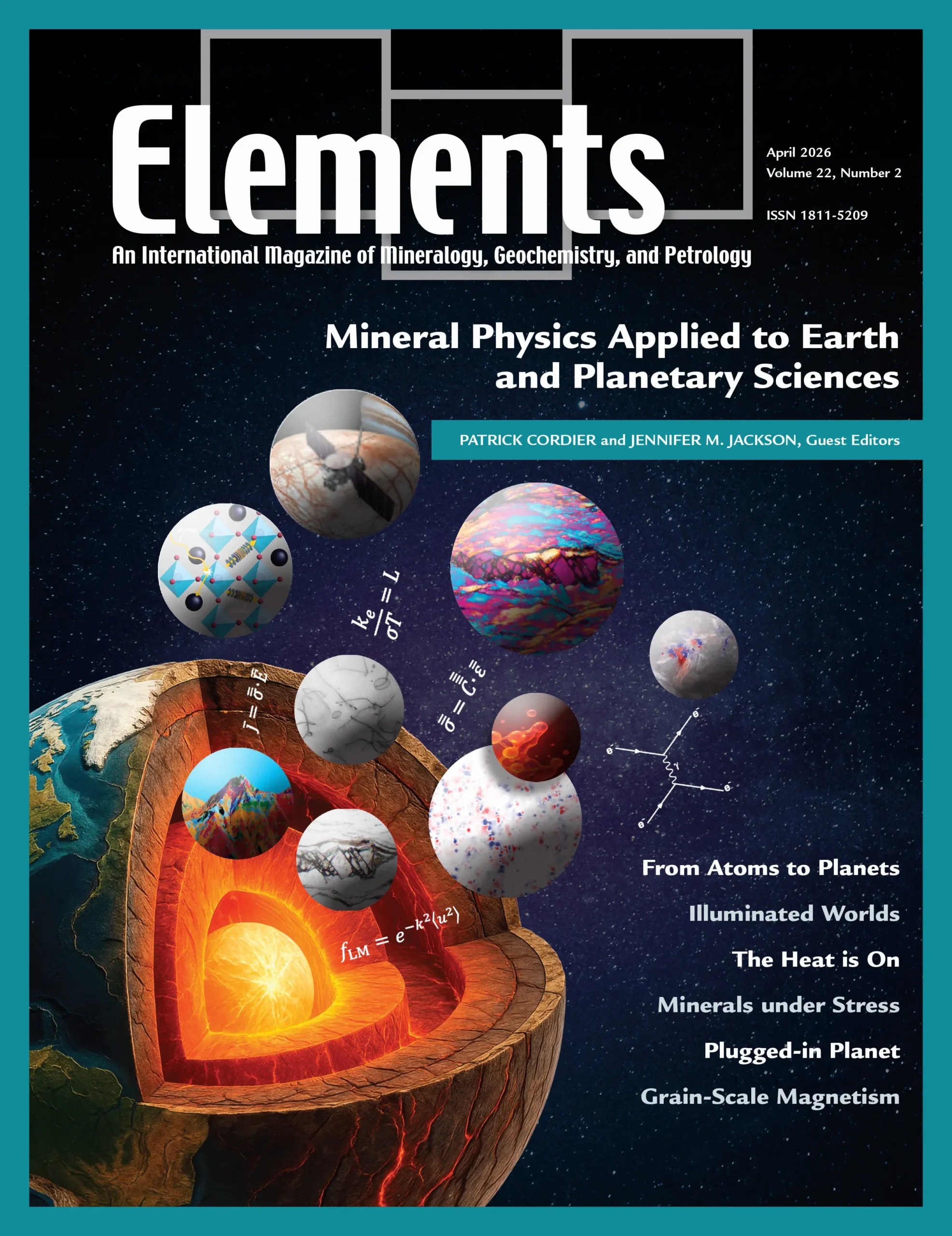
Mineral Physics Applied to Earth and Planetary Sciences, April 2026, Vol. 22, No. 2
$20.00Understanding the physical and transport properties of minerals is fundamental to decoding the processes that shape Earth and other planetary bodies. Building on the early insights of Haüy, who first recognized the relationship between crystal structure and macroscopic behavior, modern mineral physics now uses advanced spectroscopic, thermal, mechanical, electrical, and magnetic techniques to study materials across all scales—from atomic structures to entire planetary interiors.
-
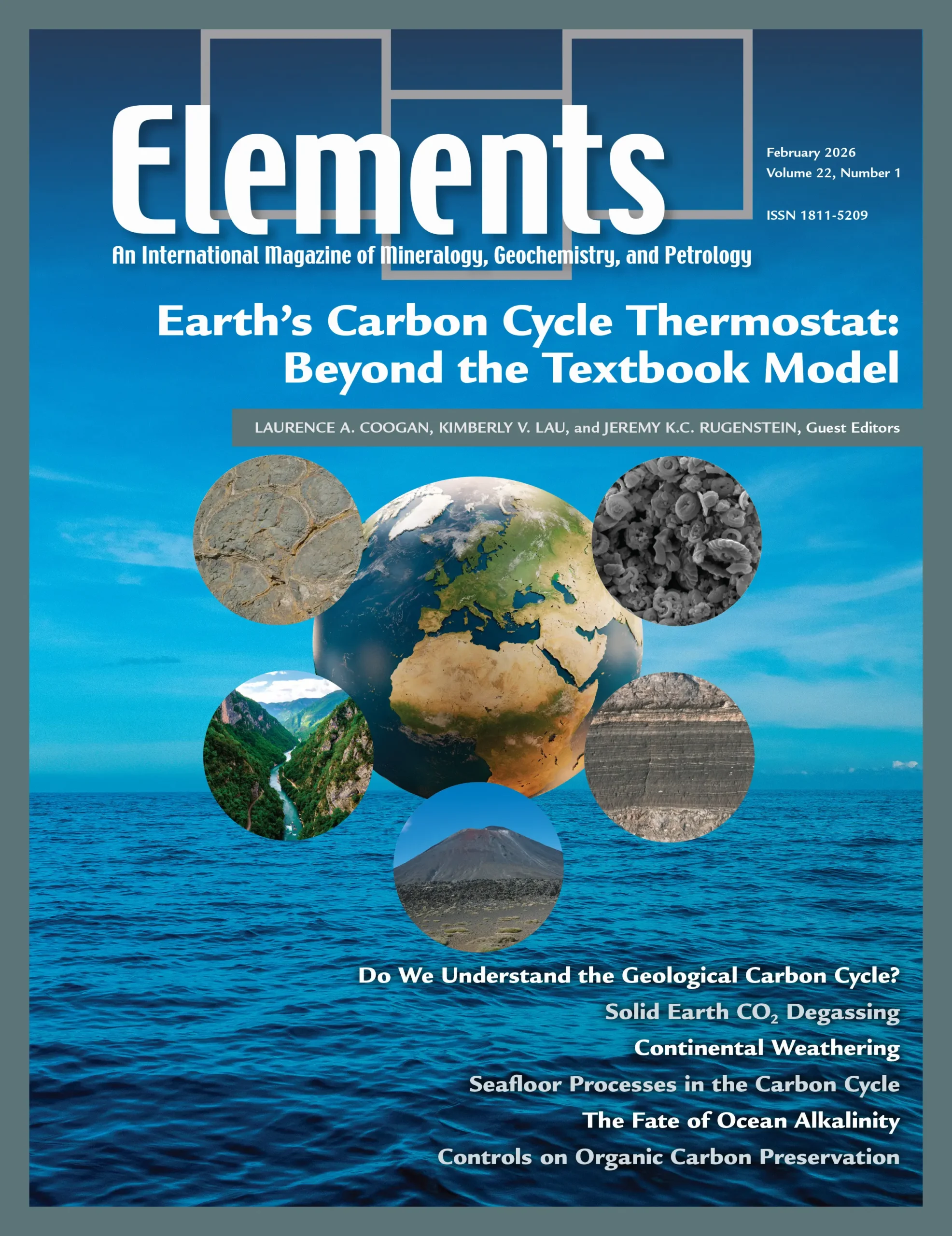
Earth’s Carbon Cycle Thermostat: Beyond the Textbook Model, February 2026, Vol. 22, No. 1
$20.00Earth’s geological carbon cycle plays a vital role in maintaining the planet’s climate and supporting life. Often described as a natural “thermostat,” this complex system helps regulate atmospheric carbon dioxide levels and prevents extreme global temperature fluctuations over geological timescales. Traditional models explain this balance through interactions between volcanic degassing, atmospheric CO2, continental silicate weathering, and carbonate mineral formation.
-
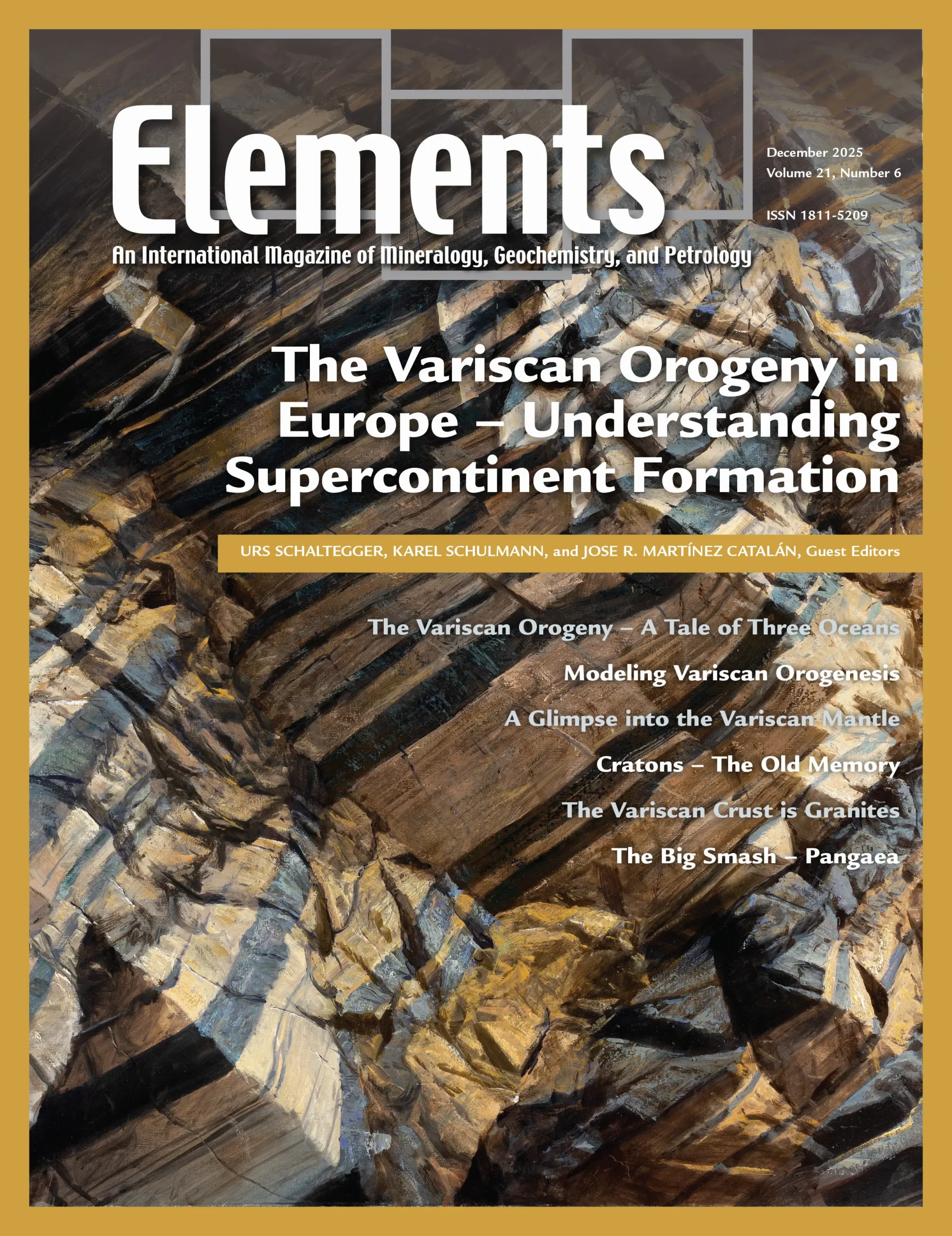
The Variscan Orogeny in Europe – Understanding Supercontinent Formation, December 2025, Vol. 21, No. 6
$20.00The Variscan orogeny was one of the most significant mountain-building events in Earth’s geological history, occurring between 380 and 300 million years ago during the assembly of the Pangea supercontinent. Through multiple cycles of continental collision, ocean basin opening and closure, and the accretion of Gondwana-derived continental fragments onto the Laurussia margin, the Variscan belt became a defining feature of ancient Europe’s tectonic evolution.
-
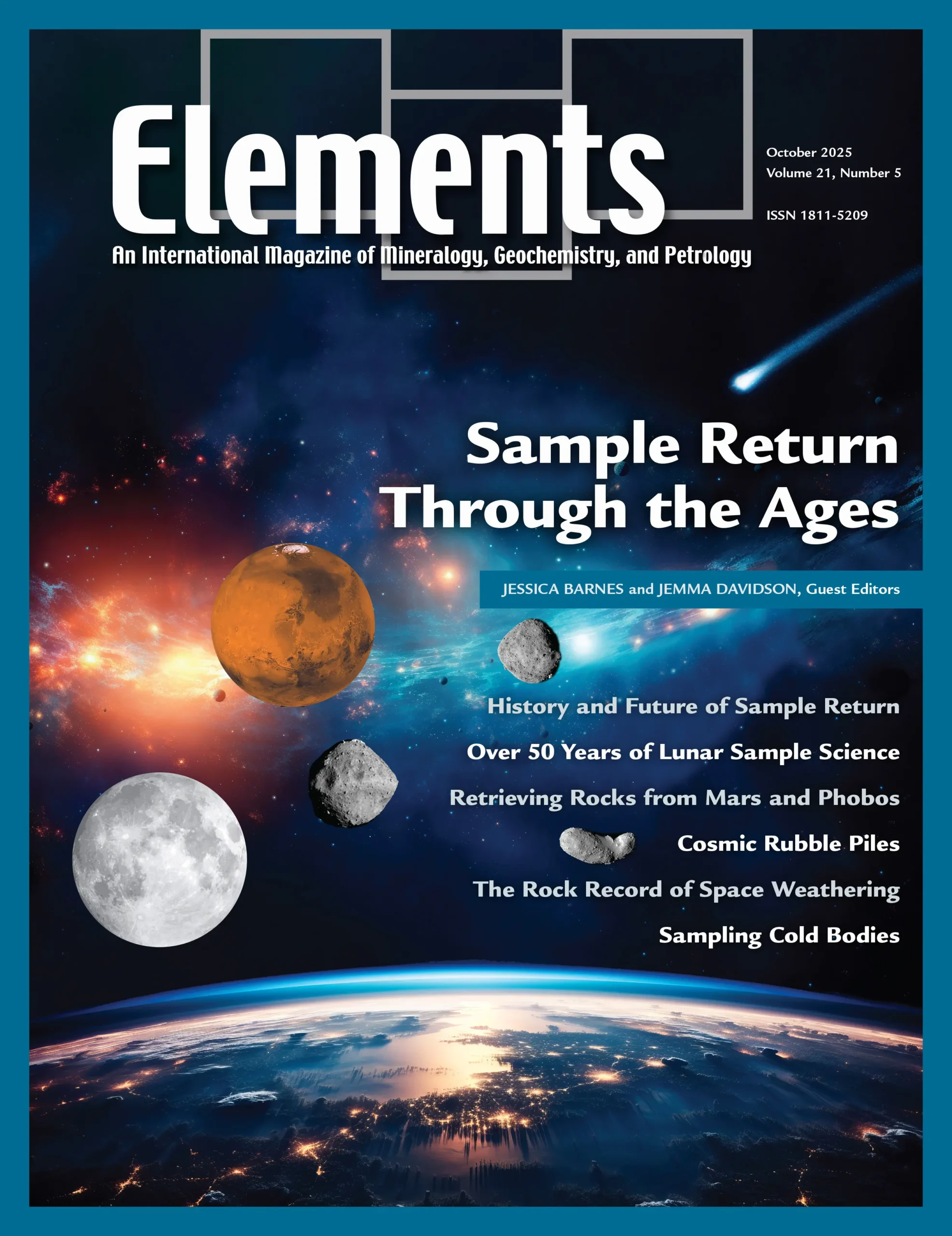
Sample Return Through the Ages, October 2025, Vol. 21, No. 5
$20.00This exciting issue of Elements explores the extraordinary scientific discoveries made possible through sample return missions from across our solar system. By studying extraterrestrial materials collected by both crewed and robotic missions, scientists have gained unprecedented insights into the mineralogy, petrology, and geochemistry of planetary bodies ranging from the Sun and Moon to asteroids, comets, and Mars.
-
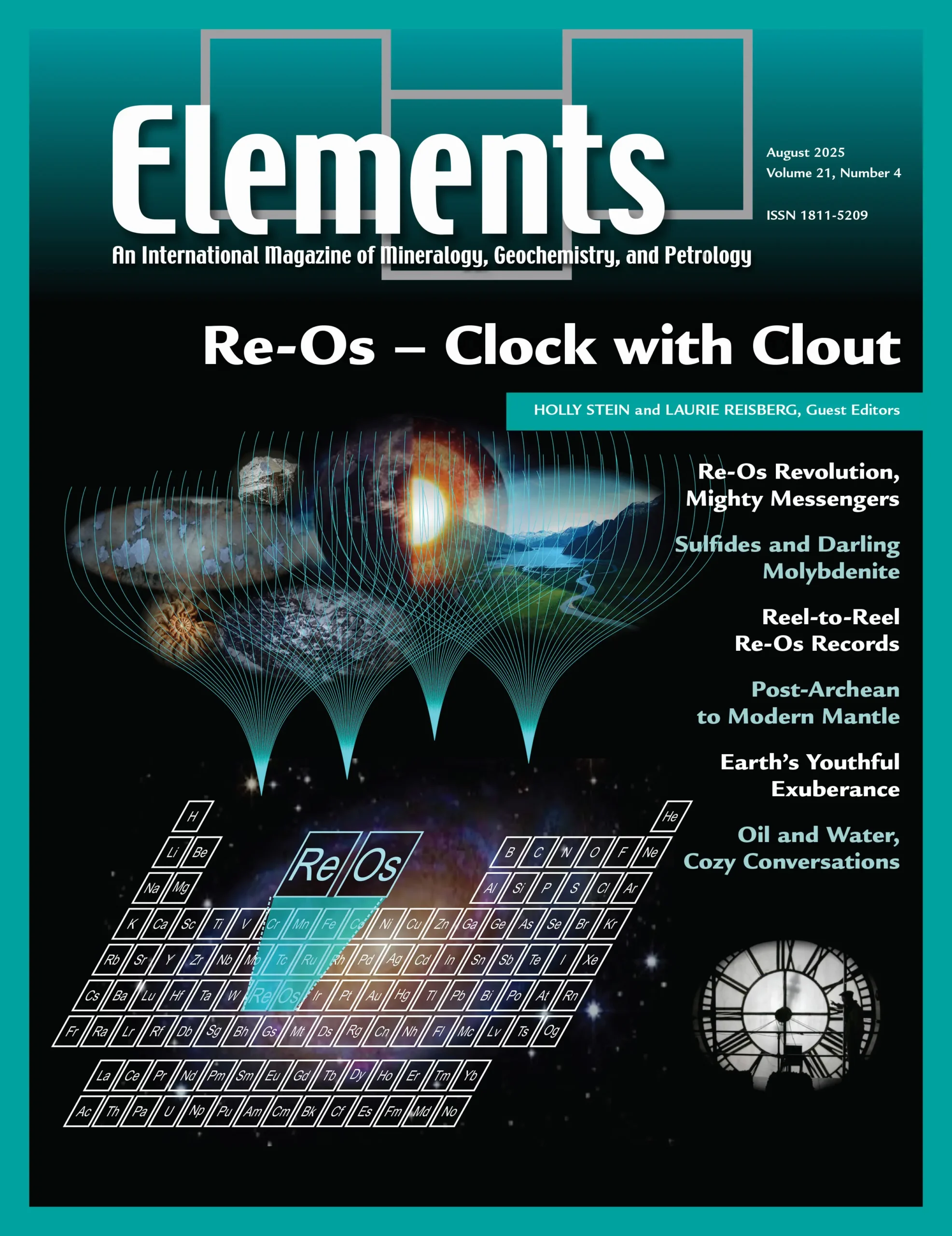
Re-Os – Clock with Clout, August 2025, Vol. 21, No. 4
$20.00The Re-Os isotope system is one of the most powerful tools in modern geochemistry, despite involving two of the rarest elements found within Earth’s silicate mantle. Known for their unique siderophile, chalcophile, and organophile behavior, rhenium (Re) and osmium (Os) provide scientists with exceptional capabilities for radiometric dating and geochemical source tracing. This remarkable isotope system helps researchers answer geological questions that cannot be resolved using other radiometric methods.
-
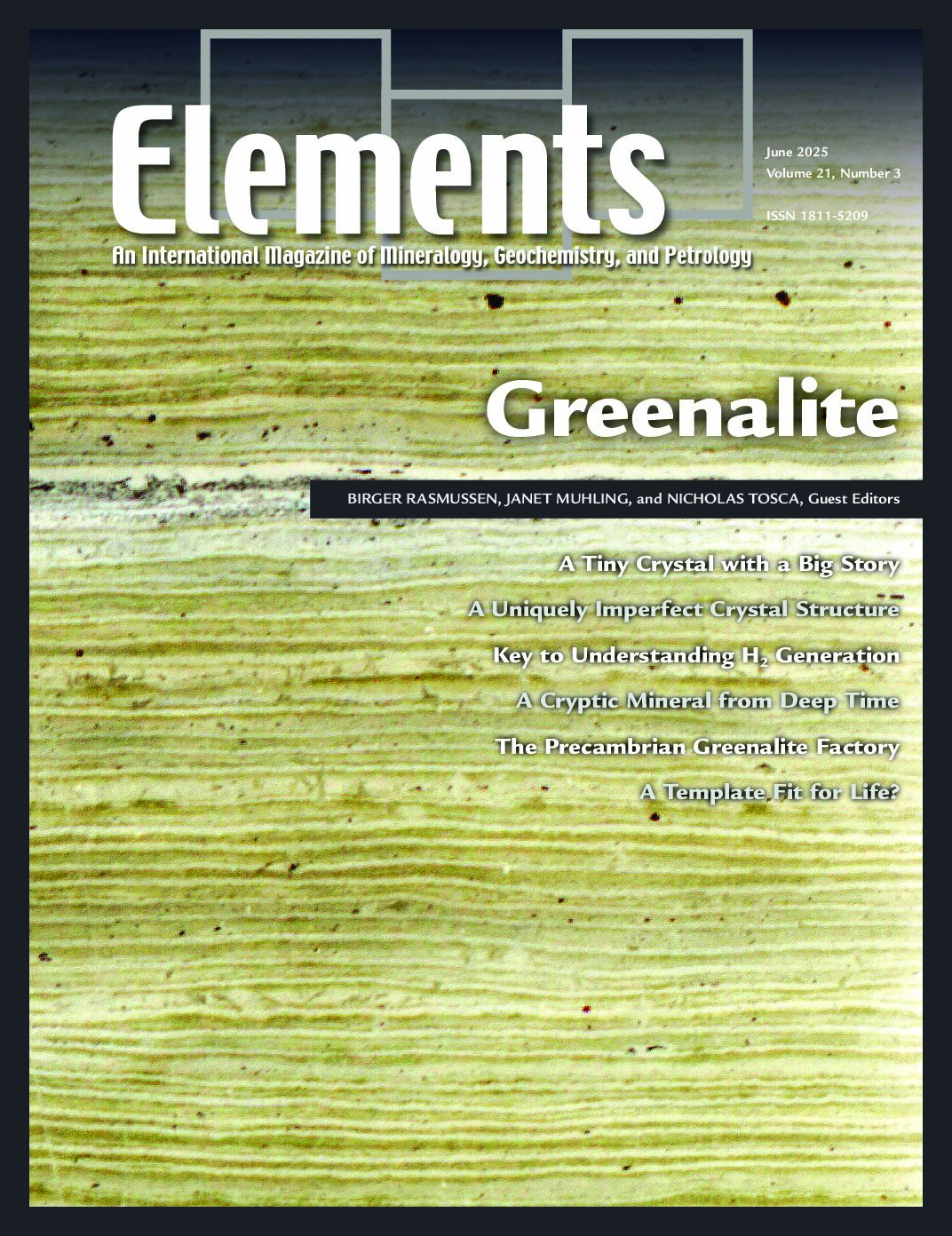
Greenalite – A Tiny Crystal with a Big Story , June 2025, Vol. 21, No. 3
$20.00Greenalite [Fe3Si2O5(OH)4] is an iron-rich Fe(II)-serpentine mineral first identified in the Lake Superior iron formations more than a century ago. Today, with the help of advanced in-situ nanoscale imaging techniques, scientists are uncovering the true significance of this microscopic mineral in shaping Earth’s geological history. Recent research highlights nanoparticulate greenalite as a key contributor to the formation of early Precambrian banded iron formations (BIFs), offering new insights into the chemistry of ancient oceans and the evolution of the planet’s early atmosphere.
-
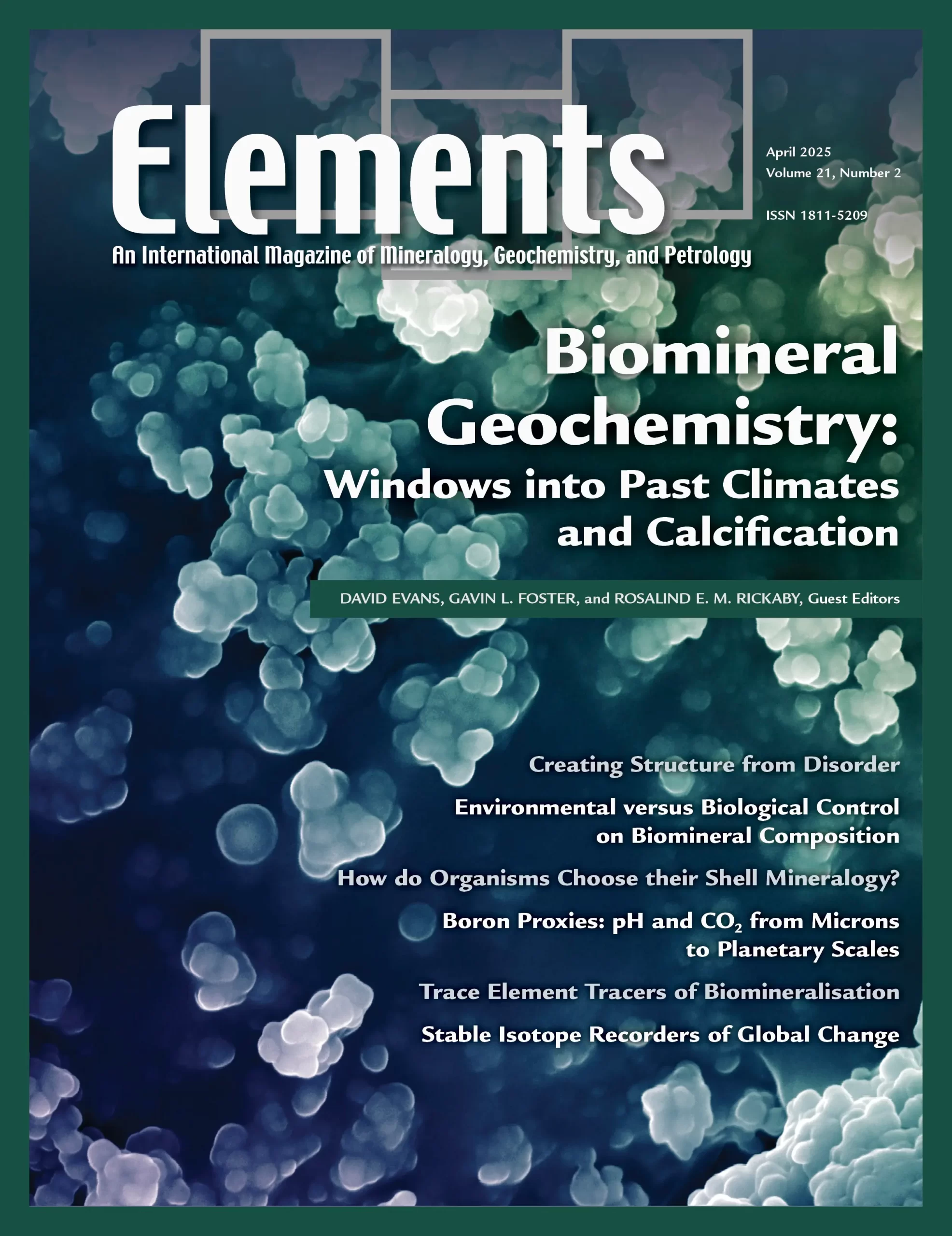
Biomineral Geochemistry: Windows into Past Climates and Calcification, April 2025, Vol. 21, No. 2
$20.00Marine calcium carbonate biominerals, especially the shells and skeletons produced by molluscs, corals, and the immeasurably numerous calcifying phytoplankton and zooplankton, are of both societal and environmental importance for two key reasons. Firstly, the mineralised remains of these organisms are one of the largest longterm sinks of carbon on Earth’s surface. Secondly, and perhaps more practically, the (trace) element and isotopic composition of these biominerals probably represents the most widely applied tool for quantitatively reconstructing past environmental conditions on timescales from days to millions of years.
-
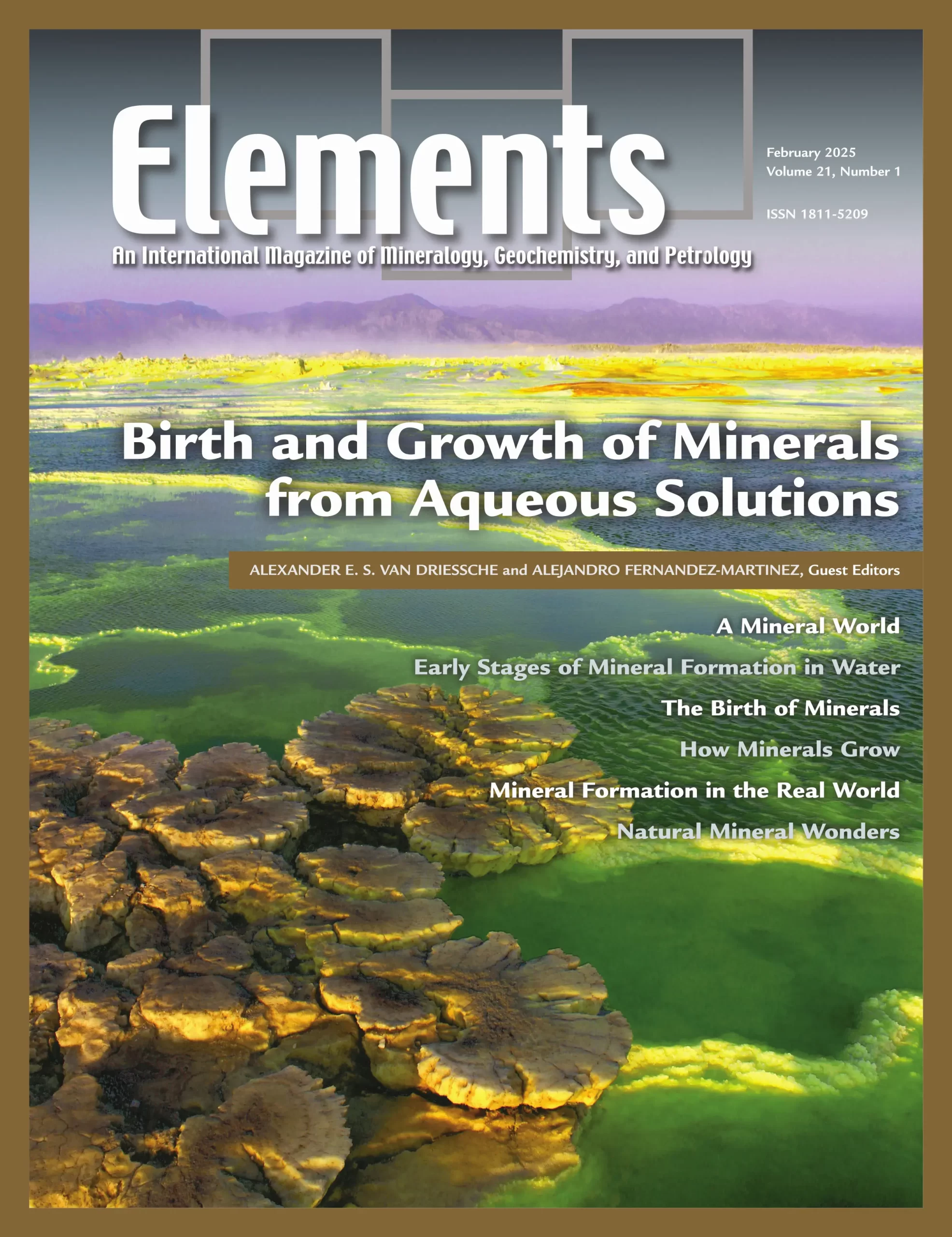
Birth and Growth of Minerals from Aqueous Solutions, February 2025, Vol. 21, No. 1
$20.00The birth and growth of minerals from aqueous solutions is a ubiquitous process in both natural and engineered environments. This research field has recently experienced a paradigm shift due to the discovery of non-classical nucleation and growth processes.
-
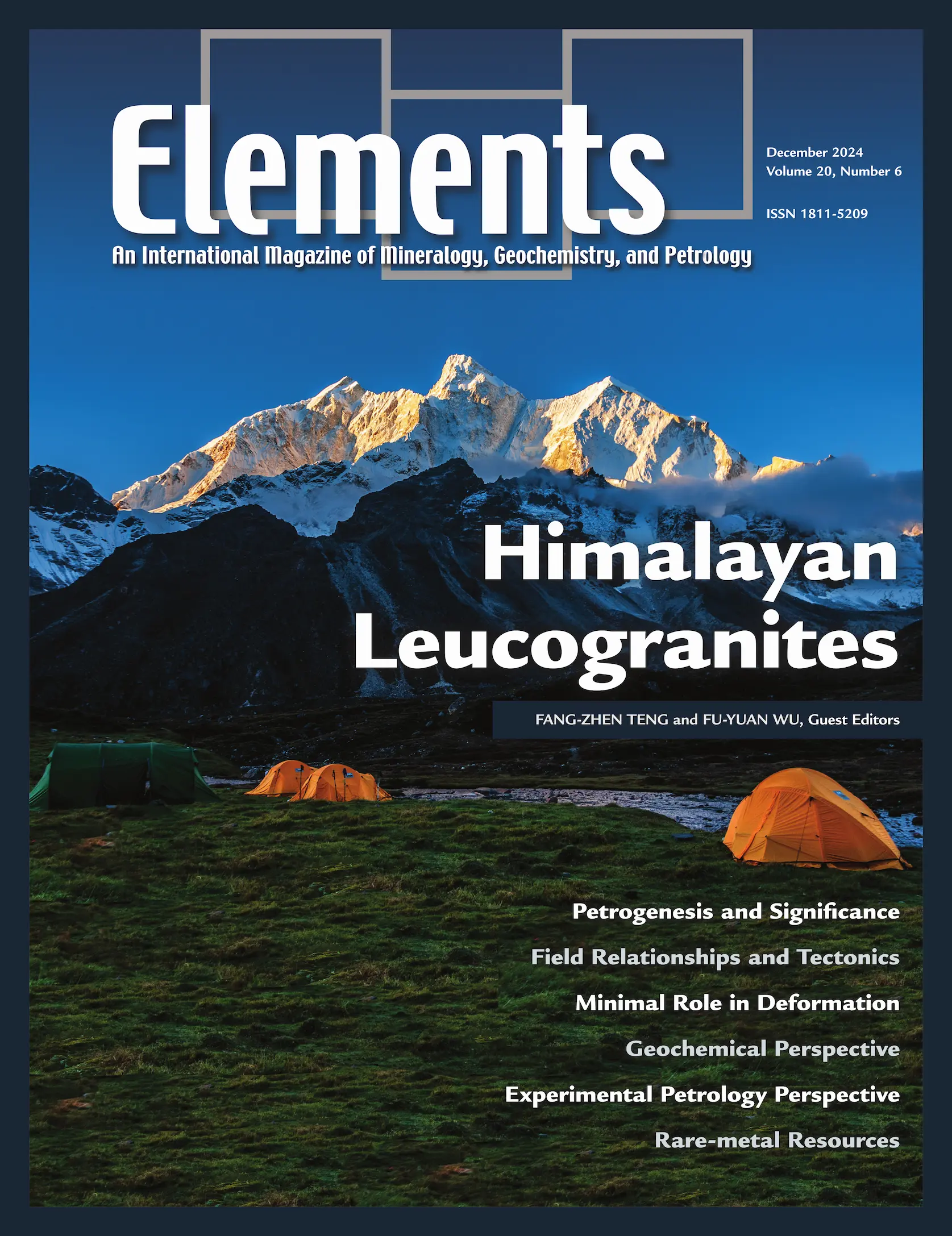
Himalayan Leucogranites, December 2024, Vol. 20, No. 6
$20.00Himalayan leucogranites crop out intermittently over 2000 km along the Himalayan crest in the Himalayan-Tibetan plateau. They constitute some of the most well-studied granites in the world. They are considered to be purely crustal-derived melts and indicators of collisional orogenesis, and have greatly improved our general understanding of crustal anatexis, differentiation of felsic magmas, and tectonic evolution of the Himalayan-Tibetan Orogen.
-
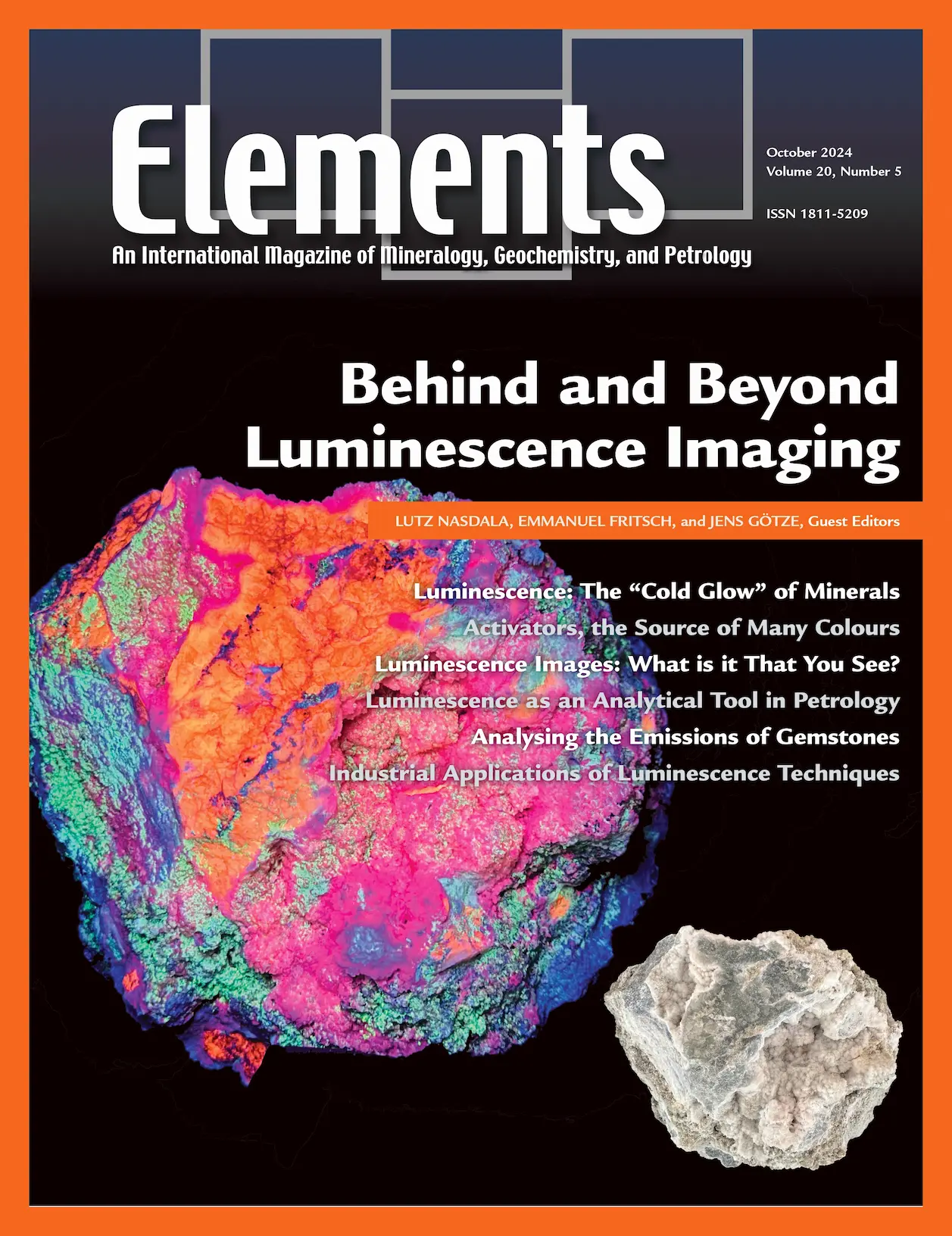
Behind and Beyond Luminescence Imaging, October 2024, Vol. 20, No. 5
$20.00Luminescence-based optical or SEM images are increasingly used in Earth sciences research. Examples include formation and post-growth history of minerals from their internal textures, taking into account multiple interior regions of complex crystals. For such simple approaches it is actually unnecessary to understand the particular causes of emissions.
-
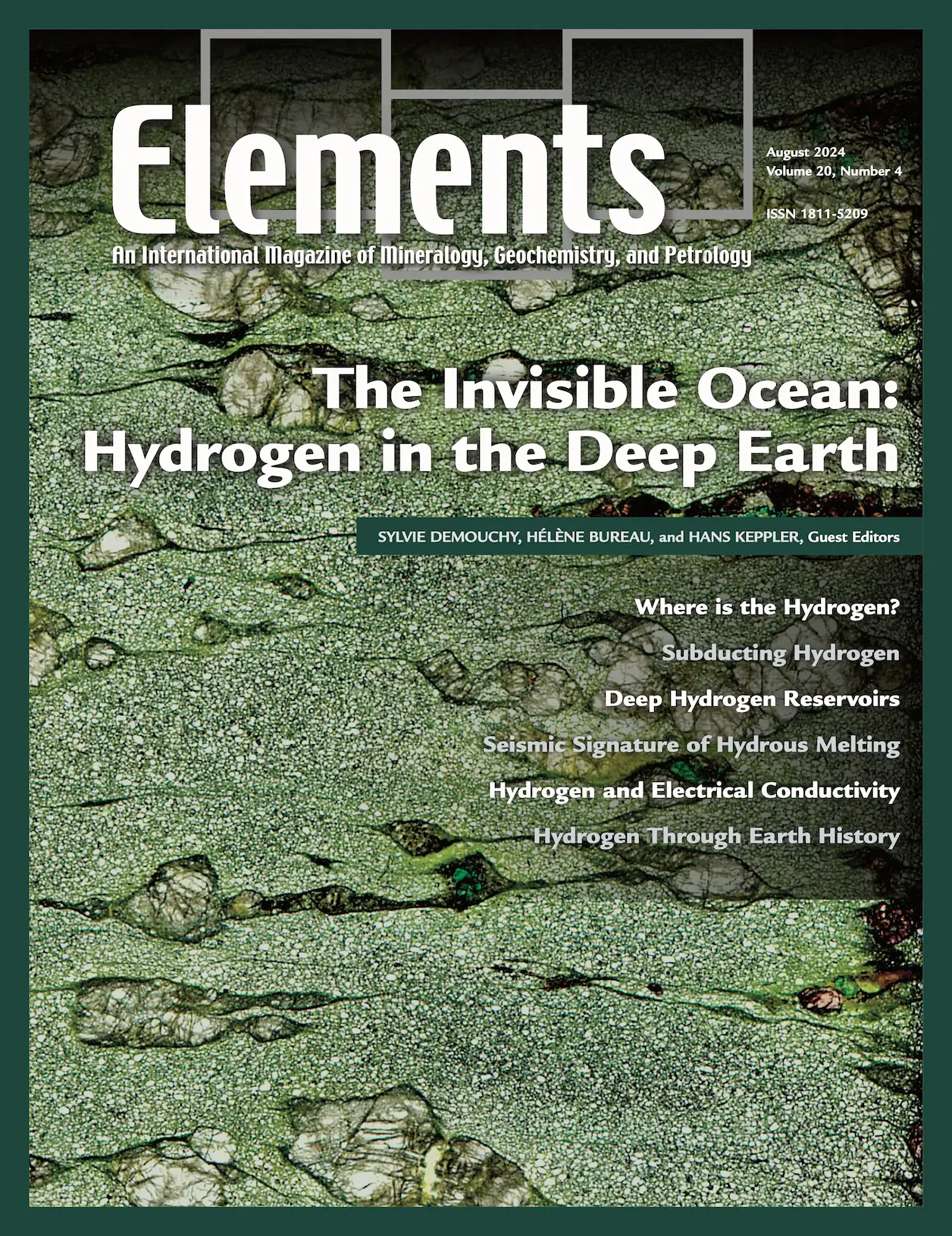
The Invisible Ocean: Hydrogen in the Deep Earth, August 2024, Vol. 20, No. 4
$20.00Hydrogen is the most abundant element in the universe and its distribution, transfer, and speciation in the deep Earth remain a fascinating topic of ongoing research. We review the most notable discoveries constraining the H cycle in the deep Earth. This includes new methods for detecting hydrogen, insights into the size of deep reservoirs, and new constraints from inclusions in ultradeep diamonds.
-
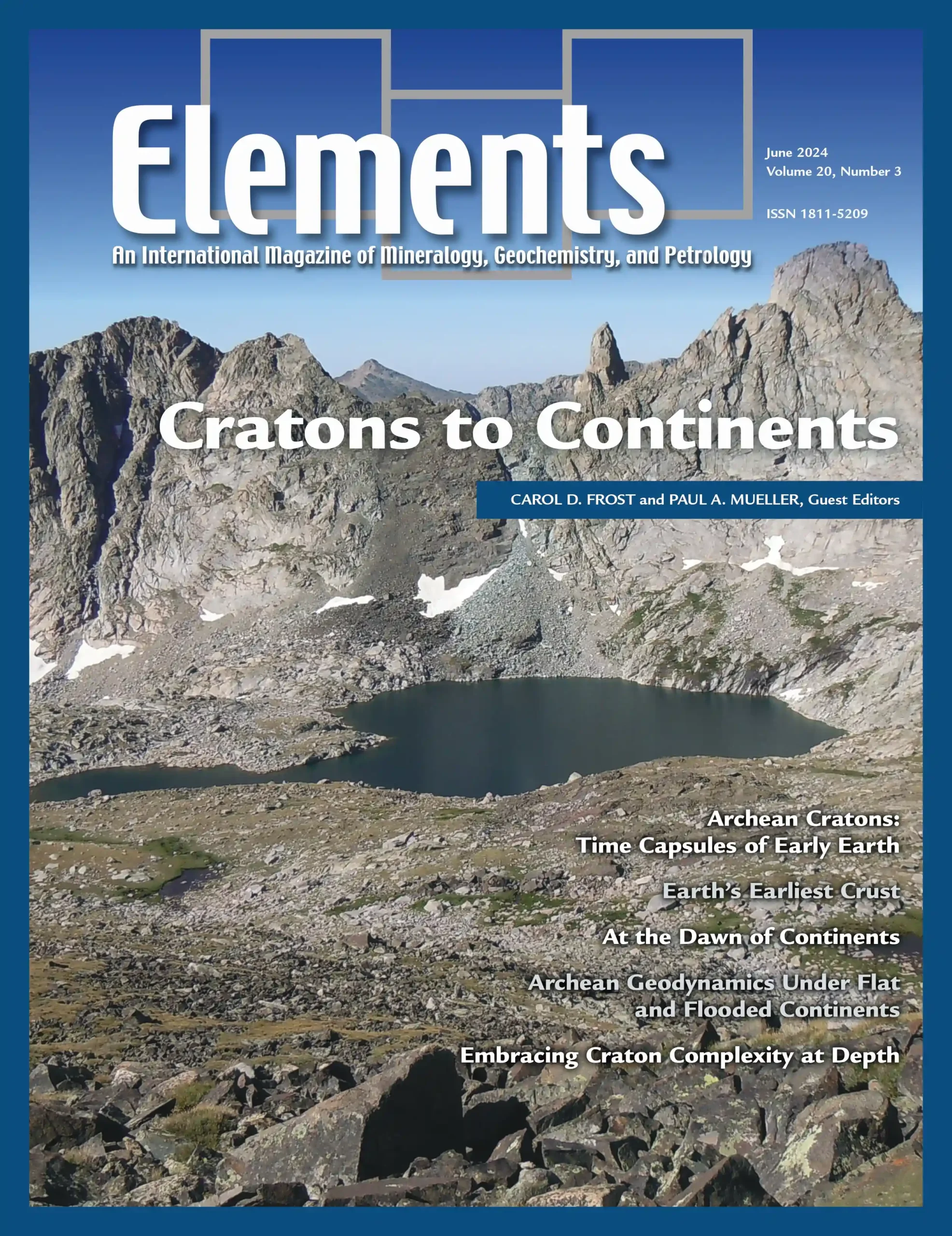
Cratons to Continents, June 2024, Vol. 20, No. 3
$20.00Archean continental crust is present on every continent, but does not constitute a dominant part of any continent’s surficial exposures. Nevertheless, Archean cratons are the longestlived coherent physical structures on earth.